International Day for Tolerance
Quick Facts in the UK
| HashtagsCompiled on | #ToleranceDay |
|---|---|
| Related Hashtags | #5ActsOfHarmony, #5KindMoves |
| 2026 Date | 16 November 2026 |
| 2027 Date | 16 November 2027 |
2026 Holidays & Dates - UK
| UK & Common Holidays | ||
| Misc. & Int'l. Observancesℹ | ||
| Christian Holidays | ||
| Jewish Holidays |
International Day for Tolerance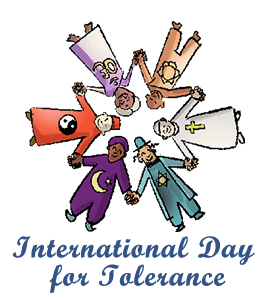
International Day for Tolerance HistoryInternational Day for Tolerance promotes understanding, dialogue, cooperation, and respect among different cultures and beliefs. This vital occasion highlights the need for tolerance in modern societies and the role of education, awareness, and open-mindedness in creating a more harmonious and inclusive world. By encouraging individuals and communities to be more accepting of diverse perspectives, the International Day for Tolerance helps to counter the harmful effects of discrimination, prejudice, and xenophobia. The origins of the International Day for Tolerance can be traced back to 1995, when the United Nations Educational, Scientific and Cultural Organization (UNESCO) declared November 16th as an annual reminder of the importance of tolerance. For the people in the United Kingdom, this observance holds significant meaning as the nation remains a melting pot of diverse backgrounds, cultures, and traditions. The rich tapestry of diversity in the UK is not just a fact, but a source of pride and appreciation, making the celebration of tolerance even more significant. Embracing tolerance allows for not only a better understanding of different groups but also provides an opportunity for shared experiences and learning from one another. British society thrives on these values, making it an integral part of the country's identity. International Day for Tolerance is observed in the United Kingdom with various events and activities organised by schools, community groups, and other relevant organisations. These events often involve sharing cultural experiences, workshops, and educational programmes that emphasise the importance of interacting respectfully with individuals of different backgrounds. The observance serves as a platform to deepen understanding, foster inclusivity, and promote empathy within British communities. Like the rest of the world, International Day for Tolerance is celebrated on November 16th, allowing people across the nation to unite to embrace the rich diversity that the United Kingdom offers. Top 10 Facts for 2026 International Day for Tolerance in the UK
In the News and Trending in the UK for International Day for ToleranceUpdated International Day for Tolerancepressenza.com International Day for Tolerance: FIFA releases new figures on Social Media Protection Servicefifa.com UAE marks International Day for Tolerance with global initiatives - Emirati Timesemiratitimes.com Religious Affairs Ministry holds 18 events for Tolerance Dayantaranews.com Top things to do in the UK for this observance
‹ | › | |