International Day for Tolerance
Quick Facts in South Africa
| HashtagsCompiled on | #ToleranceDay |
|---|---|
| Related Hashtags | #5ActsOfHarmony, #5KindMoves |
| 2026 Date | 16 November 2026 |
| 2027 Date | 16 November 2027 |
2026 Holidays & Dates - South Africa
| South Africa & Common Holidays | ||
| Misc. & Int'l. Observances | ||
| Christian Holidays | ||
| Jewish Holidays |
International Day for Tolerance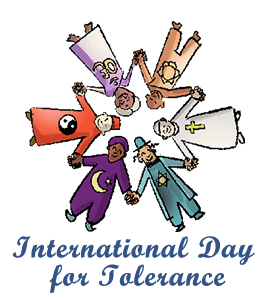 Date in
International Day for Tolerance HistoryInternational Day for Tolerance is an annual, global campaign designated by the United Nations (UN) to foster mutual understanding and respect among cultures and peoples worldwide. The day aims to highlight the essential role that tolerance plays in promoting harmony and cooperation within societies and the importance of embracing diversity. The observance emphasizes the need for open-mindedness and acceptance of different beliefs, ideas, and traditions to foster peace, enhance social cohesion, and combat all forms of discrimination. The UN established the International Day for Tolerance on November 16th, 1995, in response to the increasing acts of intolerance and violence around the world. This celebration and its ideals take on a special significance for South Africans, who have experienced a challenging history marked by apartheid, racial and ethnic division, and ongoing inequality. The country's transition to democracy signifies a commitment to promoting tolerance and social justice, enshrined in the landmark Constitution and Bill of Rights. South Africa's ongoing endeavours to reaffirm the importance of inclusivity and tolerance stand as a testament to the progress made and the challenges that still lie ahead in building a just and equal society. Observing International Day for Tolerance in South Africa often entails various public events, discussions, workshops, and educational campaigns organized by government institutions, civil society organizations, and educational establishments. These programs aim to promote awareness of the importance of tolerance and diversity, highlighting the country's rich cultural heritage, and the values enshrined in the Constitution. As part of the South African community, your active participation in these events is crucial to the success of International Day for Tolerance. It is celebrated annually on November 16th as a reminder of the country's ongoing commitment to fostering an inclusive and harmonious society united in diversity. Top 10 Facts for 2026 International Day for Tolerance in South Africa
In the News and Trending in South Africa for International Day for ToleranceUpdated International Day for Tolerancepressenza.com International Day for Tolerance: FIFA releases new figures on Social Media Protection Servicefifa.com UAE marks International Day for Tolerance with global initiatives - Emirati Timesemiratitimes.com Religious Affairs Ministry holds 18 events for Tolerance Dayantaranews.com Top things to do in South Africa for this observance
‹ | › | |